

1. Examine how extreme heat disproportionately affects certain sections of society. In this context, analyse the vulnerabilities of gig and delivery workers.
| SYLLABUS: Indian Society – General Studies – I : Effects of globalization on Indian society. |
IN NEWS: Summer as a source of income shock for gig workers
Extreme heat in India is no longer just a seasonal weather event; it has evolved into a systemic socio-economic crisis that acts as a “threat multiplier” for the most vulnerable. As temperatures in 2026 reach record highs, the impact is increasingly defined by “thermal injustice,” where the ability to survive heat is dictated by one’s economic standing.
I. Disproportionate Impact on Vulnerable Sections
Extreme heat does not affect everyone equally. It hits those at the intersection of poverty, informal labor, and poor infrastructure the hardest.
- The Urban Poor and Slum Dwellers:
- Housing as “Heat Traps”: Residents in informal settlements (bastis) often live in overcrowded, poorly ventilated structures made of heat-trapping materials like tin or asbestos.
- Absence of Nighttime Recovery: The “Urban Heat Island” effect keeps nighttime temperatures high in densely built areas. Without cooling resources (AC or even fans due to power outages), the body cannot recover from daytime stress, leading to cumulative health exhaustion.
Outdoor Informal Workers:
- Construction & Sanitation Workers: These workers face direct exposure to radiant heat from concrete and steel. Sanitation workers often handle heated waste and toxic fumes, which can be 5% hotter than the surrounding ambient air.
- Street Vendors: Forced to stay outdoors to maintain their daily earnings, they often lack access to shaded areas or clean drinking water, leading to chronic dehydration.
- Gendered Vulnerability:
- Women face a “dual burden.” After working in heat-exposed conditions (e.g., as street vendors or domestic help), they return to hot, unventilated kitchens to perform unpaid care work, significantly increasing their total heat load.
II. Vulnerabilities of Gig and Delivery Workers
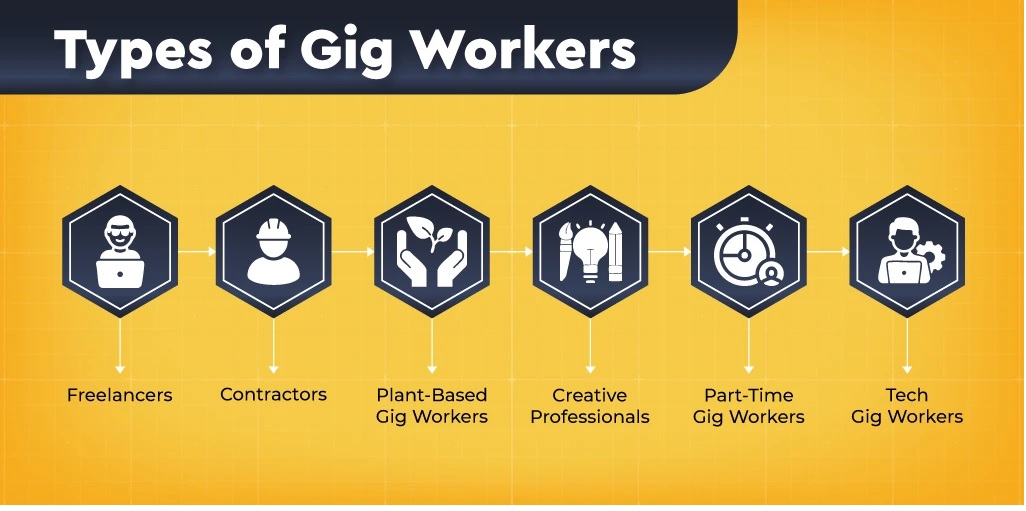
Gig workers—specifically delivery partners and ride-hailing drivers—represent a unique class of “climate-vulnerable” labor. Their struggle is defined by a clash between biological limits and digital algorithms.
1. The “Survival Dilemma” and Income Shocks
Unlike salaried employees, gig workers have no “right to disconnect” during heatwaves without losing money.
- No Work, No Pay: Their earnings are strictly tied to tasks. A heatwave acts as an immediate income shock; if they stop to rest, they lose the day’s earnings.
- Absence of Social Safety Nets: Most lack access to Employees’ State Insurance (ESI) or paid medical leave. Heatstroke-related hospitalization can lead to catastrophic debt.
2. Algorithmic Coercion
The digital platforms they work for often operate “blind” to environmental conditions.
- Penalty Pressure: Algorithms may penalize workers for slow delivery times or for logging off during peak heat hours (12 PM – 4 PM), even when IMD issues Red Alerts.
- The “10-Minute” Trap: Until recent government intervention (early 2026), the pressure of “ultra-fast” delivery forced workers to speed through traffic in 45°C+ temperatures, increasing the risk of accidents and physical collapse.
3. Lack of Physical Infrastructure
- Mobile Vulnerability: Because they are constantly in transit, they cannot rely on a single cooling station. They are often dependent on the “kindness of strangers” (e.g., the “Glass of Water” campaigns) or public infrastructure, which is often inadequate in high-density delivery hubs.
III. Emerging Policy Responses (2026)
Efforts are shifting from simple “heat advisories” to structural labor reforms:
- Legal Protections: The Indian Federation of App-Based Transport Workers (IFAT) is currently pushing for heatwave protections to be mandated under the Code on Social Security, 2020.
- Technological Adjustments: There is a growing demand for platforms to automatically relax delivery timelines and waive penalties when the Heat Index (the “feels-like” temperature) exceeds a safe threshold.
- Urban “Cooling Hubs”: Some cities, like Delhi, are experimenting with “Climate Resilient Rest Areas” equipped with water, fans, and first aid specifically for outdoor and gig workers.
Addressing heat vulnerability requires moving beyond viewing it as a “disaster” to recognizing it as a “labor right.” For gig workers, resilience isn’t just about a glass of water; it’s about decoupling their survival from an algorithm that doesn’t account for the sun.
| PYQ REFERENCE (UPSC 2023) Q. “Examine the role of ‘Gig Economy’ in the process of empowerment of women in India.” |
2. What values should guide institutions and regulators to ensure fairness and transparency in higher education?
| SYLLABUS: ETHICS – General Studies – : IV Probity in Governance: Concept of public service; Philosophical basis of governance and probity; Information sharing and transparency in government, Right to Information, Codes of Ethics, Codes of Conduct, Citizen’s Charters, Work culture, Quality of service delivery, Utilization of public funds, challenges of corruption. |
IN NEWS: Information asymmetry in higher education
Institutions and regulators should be guided by a core set of ethical and governance values that embed fairness and transparency into the very design of higher‑education systems. These values need to shape laws, accreditation standards, funding rules, and day‑to‑day administrative and academic practices.
Core ethical values
- Fairness and equity: Policies on admissions, scholarships, grading, and faculty recruitment should actively prevent discrimination and ensure equal opportunity based on merit and need, not privilege or bias.
- Transparency: Rules, criteria, decisions (e.g., selection, fees, grievance outcomes, and institutional finances) should be clear, documented, and publicly accessible so stakeholders can scrutinize and understand them.
- Accountability: Institutions must regularly report performance, use of funds, and compliance, while regulators must hold them answerable through audits, reviews, and remedial actions when standards are violated.
Academic and institutional integrity
- Academic honesty and integrity: Regulations should uphold standards against plagiarism, data fabrication, and unethical collaborations, and require clear codes of conduct for students and staff.
- Academic freedom and autonomy: Institutions must protect freedom of inquiry and teaching, while autonomy should be balanced with public accountability so that universities serve both truth‑seeking and social responsibility.
Stakeholder participation and trust
- Inclusive governance: Students, faculty, and civil‑society actors should have meaningful participation in decision‑making on academic standards, ethics, and major policy changes.
- Honest communication and trust: Regulators and institutions should speak clearly about quality, risks, and outcomes, avoiding misleading marketing or opaque data, so that prospective students and the public can make informed choices.
Anti‑corruption and rule‑based conduct
- Zero tolerance for corruption: Clear anti‑corruption policies, whistleblower protections, and independent oversight bodies help deter bribery, favoritism, and misuse of resources.
- Consistency and impartiality: Procedures for admissions, promotions, research funding, and discipline must be applied uniformly, with documented criteria and appeal mechanisms, so that power is not exercised arbitrarily.
In practice, this means institutions and regulators should translate these values into explicit codes, grievance mechanisms, open‑data portals, and periodic public reporting, so that fairness and transparency are not just slogans but measurable features of higher education.
| PYQ REFERENCE (UPSC 2018) Q. “The Right to Information Act is not all about citizens’ empowerment; it essentially redefines the concept of accountability.” Discuss by relating it to transparency norms in universities and regulatory bodies. |