

1. In light of distinction between ‘freebies’ and welfare schemes, analyse the constitutional, fiscal and democratic implications of electoral freebies in India. How can welfare goals be pursued without compromising fiscal prudence?
| Syllabus: General Studies – II: Welfare schemes for vulnerable sections of the population by the Centre and States and the performance of these schemes |
IN NEWS: ‘Freebies’ different from investing in welfare for the marginalised, says SC
The distinction between welfare schemes and electoral freebies has gained prominence amid judicial scrutiny and rising fiscal stress. While welfare flows from the constitutional mandate of social justice, electoral freebies often announced during elections without fiscal clarity raise concerns regarding constitutional morality, economic sustainability and democratic integrity.
Constitutional Implications
1. Welfare schemes are rooted in the Directive Principles of State Policy (Articles 38, 39, 41) and the expanded interpretation of Article 21, enabling the State to ensure minimum living standards.
2. However, indiscriminate freebies may violate Article 14 due to arbitrary distribution and risk undermining the principle of free and fair elections, a part of the basic structure.
3. Competitive populism also strains fiscal federalism, as States accumulate unsustainable debt with expectations of central support.
Fiscal Implications
1. Electoral freebies exert pressure on fiscal deficits, reduce space for capital expenditure, and encourage off-budget borrowings, thereby compromising macroeconomic stability.
2. They also create inter-generational inequity, shifting the burden to future taxpayers.
3. In contrast, well-designed welfare spending enhances human capital and long-term productivity.
Democratic Implications
1. Freebies risk transforming electoral choice into material inducement, weakening informed consent of voters and policy-based competition.
2. A “race to outbid” among parties erodes accountability and promotes patronage politics, diluting the quality of democracy.
Pursuing Welfare without Fiscal Compromise
1. Clearly distinguish productive welfare from consumption-oriented giveaways.
2. Mandate fiscal impact disclosures of election promises.
3. Ensure targeting and outcome-based design using DBT and digital tools.
4. Strengthen FRBM discipline and independent fiscal oversight.
5. Prioritise employment, education and health over short-term handouts.
Welfare is a constitutional obligation, but fiscal imprudence is not. Sustainable, transparent and outcome-oriented welfare policies can advance social justice without undermining fiscal stability or democratic values.
| PYQ REFERENCE Q. Development and welfare schemes for the vulnerable, by its nature, are discriminatory in approach.” Do you agree? Give reasons for your answer. (2023) |
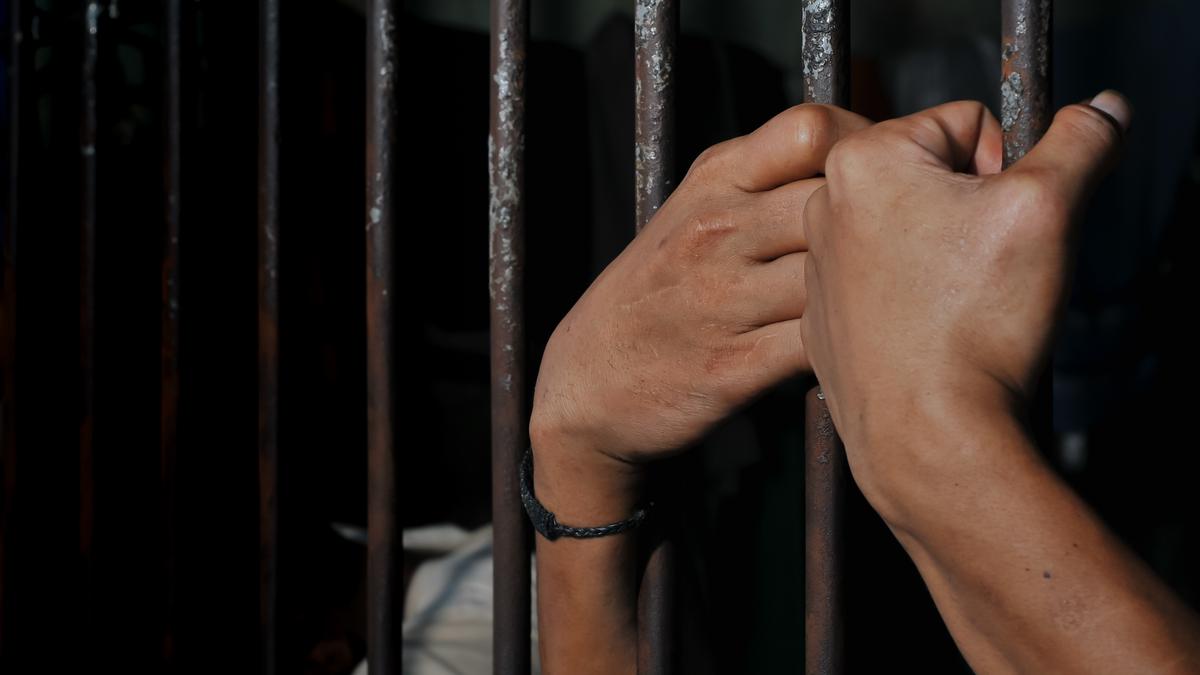
2. “Fix the System, Not the Child”. Write an essay in about 1000-1200 words.
| Syllabus: Essay |
IN NEWS: Lowering the age of juvenility for crimes is a step back
“Fix the System, Not the Child”
When Society Punishes Its Youngest
In 2012, the brutal Delhi gang rape shocked the nation and ignited demands for harsher punishment, particularly against juveniles involved in serious crimes. The outrage culminated in the Juvenile Justice (Care and Protection of Children) Act, 2015 introducing provisions to try certain juveniles as adults. A decade later, fresh proposals to lower the age of juvenility further reflect a recurring pattern responding to social failures by punishing children rather than reforming systems.
The phrase “Fix the system, not the child” captures a fundamental truth: juvenile crime is more often a mirror of institutional breakdown than moral depravity.
Understanding Childhood: Not Miniature Adults
Modern neuroscience establishes that adolescents are neurologically distinct from adults. The prefrontal cortex, responsible for impulse control, foresight and risk assessment continues to develop into the early twenties. This scientific insight forms the moral and legal foundation of juvenile justice systems worldwide.
India’s constitutional framework reflects this understanding:
- Article 15(3) permits special provisions for children.
- Article 39(e) and (f) directs the State to protect children from abuse and moral abandonment.
- Article 21, as expanded by judicial interpretation, guarantees a life of dignity.
Thus, treating children as fully culpable adults contradicts both biology and constitutional morality.
Juvenile Justice Philosophy: Reform Over Retribution
The juvenile justice system was never designed to absolve children of responsibility, but to balance accountability with reform. The guiding principles are:
- Care and protection
- Rehabilitation
- Social reintegration
This approach aligns with India’s obligations under the UN Convention on the Rights of the Child (UNCRC), which mandates that detention of children must be a last resort and for the shortest possible duration. Lowering the age of criminal responsibility shifts this balance decisively toward retribution, eroding the child-centric foundation of justice.
The Transfer System: A Structural Flaw
The 2015 Act introduced the “transfer system,” allowing children aged 16–18 accused of heinous crimes to be tried as adults after a preliminary assessment by Juvenile Justice Boards (JJBs). This mechanism itself illustrates why fixing the system is more urgent than fixing the child.
Key Problems
- No scientific tools exist to assess “mental capacity” retrospectively.
- Decisions rely on subjective factors like remorse or awareness of wrongdoing.
- Similar cases result in vastly different outcomes based on discretion.
A child’s fate often depends more on institutional capacity and interpretation than on actual culpability is an inherent injustice that deepens if applied to younger adolescents.
Reality Check: What the Data Says
Public perception often exaggerates juvenile criminality. NCRB 2023 Data says that
- Children involved in crime: 0.5% of total crimes.
- 79% of juveniles apprehended were aged 16–18.
- Only 21% were below 16 years.
This directly contradicts claims that younger adolescents are driving serious crime. Policy driven by exceptional cases rather than evidence risks becoming punitive populism.
Structural Vulnerability: Crime as a Symptom, Not a Cause
Many children in conflict with the law are also children in need of care and protection. Common underlying factors include:
- Poverty and homelessness
- Domestic violence and abuse
- School dropouts
- Substance dependence
- Untreated mental health conditions
In multiple child rights audits, children arrested for theft or assault were found to be first-time offenders who had dropped out of school and were working in informal labour. Criminal justice became their first point of State contact—not education, not welfare, not protection. Punishing such children as adults amounts to criminalising poverty and neglect.
Impact of Adult Criminal Processes on Children
Trying children as adults produces long-term harm:
- Educational disruption and permanent dropout
- Stigma that impairs employment and social reintegration
- Psychological trauma from incarceration and prolonged trials
Studies across jurisdictions show that juveniles tried as adults have higher recidivism rates, undermining the very objective of deterrence. Ironically, harsh punishment often creates hardened offenders, transforming vulnerable adolescents into lifelong criminals.
Systemic Failures: Where the Real Problem Lies
Despite statutory safeguards:
- Juveniles continue to be illegally detained in police stations.
- Children are sometimes lodged in adult prisons.
- Observation homes suffer from understaffing and neglect.
These failures are not caused by excessive child protection, but by weak institutions, poor training and lack of accountability. Lowering the age of juvenility simply shifts blame downward instead of fixing enforcement gaps.
Fixing the System: What Needs to Change
1. Early Intervention
- Strengthen families through social security and parental support
- Universal access to quality education and mental health services.
2. Institutional Reform
- Train JJBs in child psychology and developmental science.
- Improve infrastructure and monitoring of child care institutions.
3. Restorative Justice
- Encourage victim-offender mediation, community service and counselling.
- Emphasise accountability without dehumanisation.
4. Responsible Law-Making
- Resist legislating in response to public outrage.
- Base reforms on data, research and constitutional values.
Ethical Dimension: Justice with Compassion
Justice without compassion becomes cruelty. Children do not choose the circumstances into which they are born. A society that responds to its failures by punishing its most vulnerable betrays its ethical foundations. As Mahatma Gandhi observed,
“The true measure of any society can be found in how it treats its most vulnerable members.”
Reform is the Real Deterrent
The call to “Fix the system, not the child” is neither sentimental nor permissive it is pragmatic, constitutional and evidence-based. Protecting children does not weaken justice; it strengthens society. Sustainable public safety lies not in earlier punishment, but in earlier care. By reforming institutions, addressing inequality and upholding child rights, India can honour both justice and humanity.